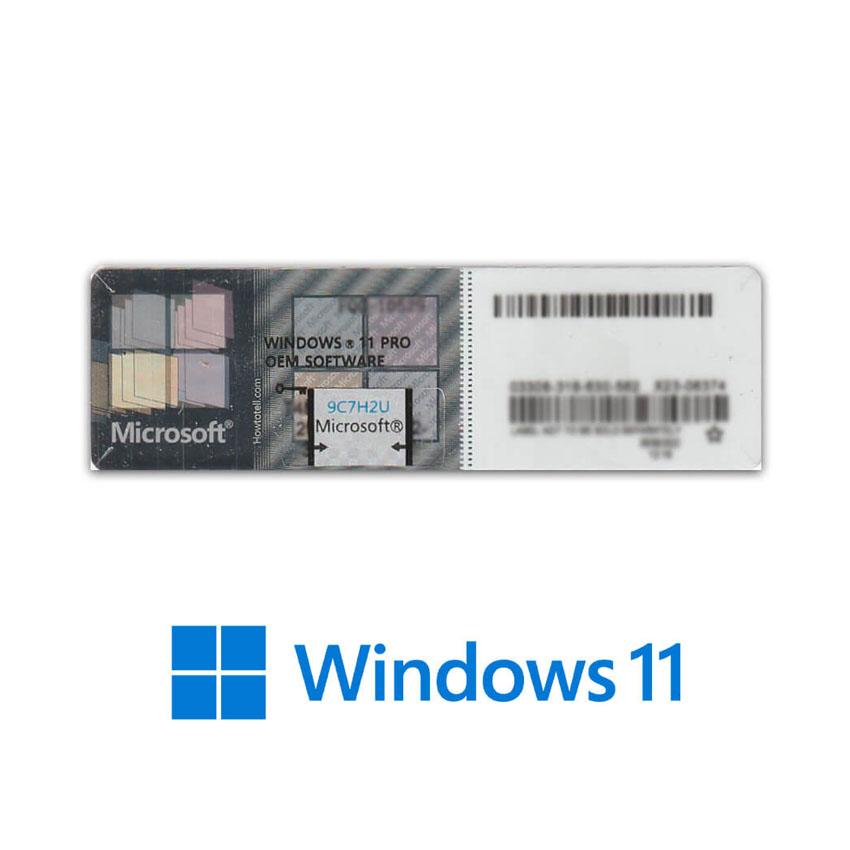

Microsoft Office And Windows Licensing Options For Small-Sized Businesses. It's about strategic investments that minimizes long-term risk while ensuring compliance. It also expands with growth. The combination of black market Windows 11 OEM keys as well as separate Office license purchases lead to a shaky and unsecure IT base. Understanding how Windows licensing, Office subscriptions and even security software interlock creates an integrated system that is efficient and cost-effective. This guide looks beyond the price tag to explore the ten essential aspects that make up an effective software environment that is affordable and sustainable for growing companies. The guide ties choices from security and desktop OSs access to servers.
1. The Basic Principle: Windows 11 Home Has no place in a business.
The most common and costly error is buying a low-cost Windows 11 Home key to use as a workstation for business. Windows 11 Home cannot join an Active Directory or Azure AD domain, it isn't equipped with BitLocker encryption for sensitive information, and comes with no Local Group Policy for IT control. It also enforces disruptive updates. For any machine handling business data, `windows 11 licensing" should be interpreted as Windows 11 Pro. The small upfront cost compared to Home is not an option in terms of security, manageability and professionalism. Businesses that use Home licenses are operating on software that is designed for consumers, and can be a liability.
2. Calculator to determine the cost of "hardware refresh" between OEM and retail.
If you're buying Windows 11 for your business then your choice between OEM and Retail has long-term consequences. OEM licenses are more affordable up front, but they expire after the computer first gets installed. A retail license can be transferred. OEM is a better choice for cheap PCs. For higher-end workstations or if you are upgrading components separately, Retail licenses save money over time. Calculate the Total Cost of ownership (TCO). If the cost of a PC is $1800 over its lifetime, and OEM Pro is $140, compared to Retail's $200, then the retail premium of $60 is a reasonable insurance policy for future flexible.
3. Microsoft 365 Ecosystem: True cost-effectiveness is here.
For instance, Office 2021, is no longer available as a one-time office lizenz. Microsoft 365 Business Premium (approx. $22/month per user) is typically the most cost-effective bundle. It includes: Windows 11 Pro upgrade rights (solving your `windows 11 lizenz kaufen` need), the full Office suite, 1TB OneDrive cloud storage, business-class email, and–crucially–Intune for device management and Azure AD for identity. This single subscription is legal, modern and gives you management tools for your entire desktop. It turns IT from a capital expense (CapEx) into an operating expense that is predictable (OpEx).
4. The Windows 7 Upgrade Path: A Compliance and Security Mandate.
Businesses who are still clinging on to windows7 risk being buried under a bomb of obsolete software. This isn't just about adding new features. It's also about complying with security and compliance requirements. It's not enough to purchase an upgrade to Windows 11. This is an opportunity to reassess your entire strategy for software. Microsoft 365 Business subscriptions allow cloud backups, modernize security and let remote work. Not just the latest OS key as well as the cost of the subscription is included.
5. Understanding the "CAL" Shadow Cost for Future Growth.
Client Access Licenses, also known as CALs, is essential if an on-premise server such as Windows Server 2025 is needed to share files or databases. Each device connected to the server requires an Access License (CAL). It is an additional cost that is not included in your windows 11 professional desktop license. Small-scale businesses' budgets should include CALs in long-term plans. Windows 11 Home (which is not legally able to access a Windows Server when used in commercial settings) and use without a license creates the risk of compliance during a Software Audit.
6. Bundling or Best-of Breed?
The licensing complexity is affected by your choice between Windows Defender, which comes included in the package, and third-party software like "kaspersky premium" or "norton 360". Microsoft 365 Business Premium includes enhanced Defender security as well as centralized security and threat management. The addition of a separate third-party software suite may be redundant. It could add cost and administrative overhead. It is essential to be consistent but only if there are regulatory requirements or if you prefer an option made by another company. A solution that is less expensive and simpler to manage than patchwork. The "cost" in security is usually the time to manage multiple systems and not the subscription fees.
7. Grey Market Trap – False market economy in licensing
On the unofficial market, you will find prices that seem too good could be real. These are typically volume licenses, OEM keys that violate the terms of another region. Microsoft might deactivate these keys, leaving unlicensed software that is insecure and potentially fines. The business is at risk of an immense, unbudgeted, risk. To ensure cost efficiency it is recommended to buy from authorized distributors or through the Microsoft Cloud Solution Providers program (CSP), which ensures full support, upgrade rights, and legitimacy.
8. Perpetual Office: The Niche for Static and Air-Gapped Scenarios.
Office Professional 2021 is an example of a standalone perpetual "office lizenz" that has a limited use case. It is designed for a machine that doesn't require cloud services or connect to an administration system. It will also run the same features for at most five years (until it ceases support). This is an uncommon occurrence. The subscription model is far more practical for most small-sized businesses that require cloud-based file storage (Teams, SharePoint), collaboration (Teams) as well as mobile access. Perpetual licenses mean locked-in software, slow-moving services and lost productivity.
9. Modelling your mobility using devices: vs. User Licensing.
The old licensing model was bound to a device. (One OEM Windows 11 license for each PC). Microsoft 365 offers a modern user-based model. One user license can be used for up to five devices comprising PC, Mac, tablet and phone. It's a cost-effective solution for companies that have employees that are mobile, hybrids or that provide laptops and desktops. You are able to license the individual, not the device. Take into consideration the actual mobility of your employees when you design your license strategy. A subscription dependent on the user's location reduces licenses compared to those dependent on devices.
10. Designing an Coherent Stack to be Audit-Ready.
The most important thing for a small business is an organized and legally sound software stack. Microsoft 365 Business (per user), Windows 11 Pro, Office Management and Security as well as OEM or Retail Windows 11 Pro licenses, for devices that are not covered by subscriptions (e.g. dedicated kiosks) is the most economical option for small-scale businesses. The system is audit-ready and flexible and reliable. The hidden costs of chaos are the "costs" that this stack reduces the possibility of downtime due to incompatible systems as well as data loss caused by insecure security, and exposure to legal liability for the non-compliance. View the most popular windows 7 for site tips including microsoft office key, product keys, windows office software, office 365 key, microsoft office 2019, microsoft office software key, ms office 2019, office2019 download, windows office software, windows and office and more.

Understanding Windows Server 2025 And Client Access Licenses (Cals) For Businesses.
The shift from a peer-to-peer network to a centrally managed IT infrastructure is a crucial move for any business that is growing. The most costly and widespread misunderstanding is not the server software, but the need for Client Access Licenses (or Cals). They're the technical and legal cornerstone for the Microsoft server ecosystem. Inability to license access for clients correctly could cause an IT project to be derailed and result in serious penalties for compliance when audited, and result in a myriad of dependencies affecting everything from desktop operating systems to productivity and security software. This guide demystifies the ten essential, interconnected concepts every business should be aware of when planning for Windows Server 2025, illustrating how server licensing dictates your entire desktop environment's structure and legality.
1. The Server License Is Just the Entry Fee.
If you buy a license for Windows Server 2025, you'll have the ability to download the server application and run it on a physical computer or virtual machine. It is not a connection rights for any user or device. This right can be purchased separately via CALs. Consider it like an event: purchasing the server license is renting the stage and venue. You'll have to purchase tickets or CALs for each user (User-CAL) as well as device (Device-CAL) who is going to the theater, regardless if they're actively listening or sitting back.
2. CALs and Desktop OS: A pair that can't be separated.
You are not allowed to legally use a Client Access License (CAL) to grant access for a client using an illegal operating system. If you purchase grey market windows 11 OEM keys for your computers used by businesses on a discount website such as windows11 lizenz, it is not a good idea and ineffective to purchase CALs that are legitimate. Microsoft's license conditions require that the OS on which the software is installed is licensed properly. An audit will first invalidate the desktop licenses, making the CALs–and potentially the server access itself–non-compliant. All your stacks, from desktop to server, should be clean.
3. The User CAL is vs. Device CAL Choice Modelling Your Workforce.
This decision can have financial consequences. A User CAL permits the user named in the contract to access the server via any of their devices (e.g., their laptop, desktop and tablet). A Device License permits multiple users to use the same device (e.g. the workstations shared in a factory floor). The most cost-effective choice will be based on your use patterns. User CALs become more efficient when a mobile workforce uses several devices. Device CALs are less expensive if shift workers are sharing terminals. It is crucial to understand your actual usage. Mixing devices of different kinds is allowed, however it can make management more difficult.
4. Windows 11 Home is Technically and legally incompatible.
Windows 11 Home users cannot join a traditional Active Directory, which is the basis of Windows Server. It would be a licensing violation even if there were a technical solution. Thus, any device that requires authentication against or use services (like file shares, print queues, etc.) Windows 11 Pro Enterprise, Education, or Education Editions must be installed on Windows Server 2025. If server deployments in the future are possible, then purchasing a "windows 11 Home Key" for a business machine is a waste of money.
5. The Security Management Nexus.
A well-designed Windows Server environment with CALs can enable centralized deployment of security policies via Group Policy. This can help reduce the cost and requirements for configuration of standalone security software. For instance, instead of manually setting up kaspersky or norton 360 on each of your 50 machines, you can make use of policies to push the same settings. This server will manage your endpoint investment, making it more effective and less time-consuming. The CAL is the license that allows this managed connection.
6. The Office License Synergy in a Server Environment.
If you are running Windows server 2025, it is probable that your users access documents shared by others. The choice you make between office licensing (perpetual Office 2021) vs. an Microsoft 365 subscription is impacted. Microsoft 365 Business Premium/Enterprise Plans include Azure AD for Active Directory synchronization and Intune for managing devices. This creates a hybrid form of identity that makes it easier to secure and effortless access to cloud resources (Microsoft applications from 365) as well as the on-premise data (Server 2025). A subscription is usually a better option for integrating software rather than a standalone perpetual license.
7. Alternate License for Public Access: "External Connector".
CALs are only available to only internal users. You cannot use CALs to allow access to external users to your server (e.g. users who access a web-based portal from your server, or users of FTP who are anonymous). Windows Server External Connector (EC), a licence to use the Windows Server External Connector, is what you need to purchase. This is a once-off license, which is connected to your server. It allows unlimited anonymous access by outside users. This is a way to avoid the committing of a major violation of the law when you deploy services that are accessible to the general public.
8. CALs may be version-specific however they're compatible with subsequent versions.
You can purchase CALs for specific server versions (e.g., Windows Server 2025 CALs). These CALs can be used to connect to servers running the version in question or any previous version. A 2025-CAL grants you access to all servers that is running 2025 as a version. However, they won't work in later versions. If you do upgrade to "Windows Server 2029," you will need purchase new CALs for the version you are upgrading to. It must be included in the long-term IT plan.
9. Virtualization and CALs The "Every Access Rule"
Virtualized environments also have the identical CAL requirements, however they are based solely on access. The VM isn't included. It is necessary to have 50 user Cals if there are 50 users logging into a file sharing service that runs on a virtualized version of "Windows Server 2025". (Or sufficient Device CALs for the devices utilized by the 50 users). The number of server virtual machines that you have running doesn't directly increase the CALs you need but rather the number of users that access the VMs. This helps avoid over-spending for complex virtual setups.
10. The truth behind the total cost of ownership (TCO) is far beyond the server sticker price.
The business case for `windows server 2025must contain the entire licensing stack: the server license itself as well as the CALs that are required for all devices and users, as well as the necessary upgrade of all client PCs to Windows 11 Pro (if not already). If compared with cloud-based alternatives (like moving file shares to SharePoint in Microsoft 365 and using Azure AD) the initial capital cost (CapEx) for licensing, plus the operational cost of maintaining the server's physical hardware, needs to be estimated. In most cases, for small to mid-sized businesses using subscription-based cloud-based services is more affordable than the combined costs of hardware for servers including windows Server 2025 licensing, cals and the obligatory Windows 11 Pro upgrades for the whole fleet. The choice is both architectural and financial and not just technical. View the most popular kaspersky premium for blog info including windows office, product keys, microsoft office with key, windows & office, microsoft office software key, microsoft 365 key, ms visio software, windows server 2016 os, microsoft visio software, office 2019 professional plus and more.